

Bad habits don’t announce themselves. They sidle up quietly, offering instant gratification while slowly draining leadership effectiveness. Before you know it, you’re checking email during strategy sessions, interrupting your team members mid-sentence, or defaulting to the same tired statements that stopped producing results a while ago.
The trap some leaders fall into is that they expend energy trying to muscle through with willpower alone. They believe sheer determination and willpower can win the day.
It won’t.
Willpower fails because our brain is wired for efficiency, not excellence. It craves the familiar because the familiar feels safe and requires less energy. That’s why destructive patterns dig deeper grooves over time—each repetition makes the next one easier. What starts as occasionally skipping one-on-ones becomes a pattern of disconnection. What begins as a single harsh email evolves into a reputation for being unapproachable.
You can’t shame, force, or guilt yourself into making lasting behavioral change. Inspiration, willpower, and discipline have expiration dates. And they’re much shorter than some of those items currently collecting dust in your pantry.
So what do we do when willpower alone can’t help us address bad habits?
We stop trying to eliminate bad habits, and we start replacing them.
Every habit operates on a simple loop: a trigger occurs, you respond with a behavior, and you receive a payoff. The trigger isn’t going away—stress will still hit, deadlines will still loom, and difficult conversations will still arise. The secret is keeping the trigger and the reward while swapping out the behavior.
When you feel the urge to fire off that frustrated email, the real craving isn’t to vent—it’s to release tension and regain control. So replace it. Take a two-minute walk. Call a trusted colleague. Write the email, but save it as a draft for tomorrow.
When the impulse strikes to micromanage, recognize you’re seeking certainty. Replace hovering with a quick check-in: “What support do you need from me right now?” Same trigger, different response, similar relief.
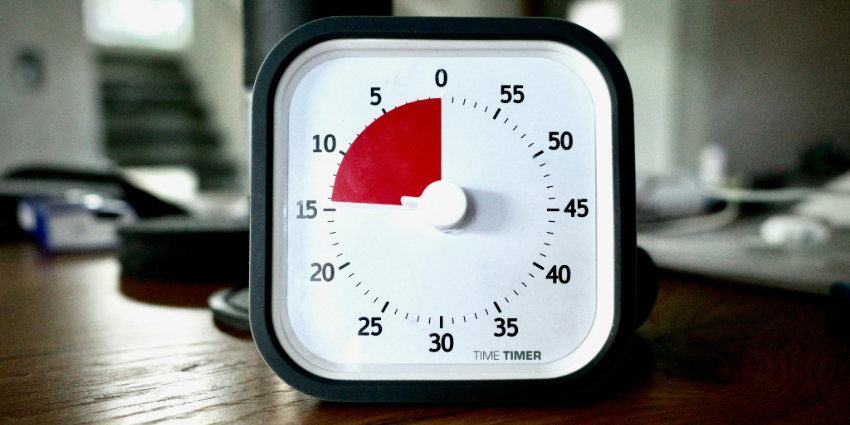
Great leaders don’t have superhuman discipline—they design systems that make good choices the path of least resistance. Want to stop starting meetings late? Put a visible timer on screen. Want to break the doomscrolling habit? Delete social apps from your phone. Want to stop interrupting? Adopt a physical anchor—place your pen down when someone speaks or make a hash mark on a Post-it Note every time you want to interrupt.
Whatever works for you! The best intervention is the one you’ll actually use when you’re tired, stressed, and operating on autopilot.
Your leadership isn’t defined by having perfect habits—it’s defined by how quickly you notice destructive patterns and how creatively you disrupt them.
The goal isn’t perfection. It’s progress. And progress comes from outsmarting your own wiring, not overpowering it.
What’s one behavior you’ll try replacing this week to address the same trigger and receive the same payoff?