
For the final Thought Partner in our series on Building and Empowering Teams, I’m going to reveal the secret to building and empowering your team.
Are you ready to hear it, *|FNAME|*?
I mean, are you really ready to hear it?
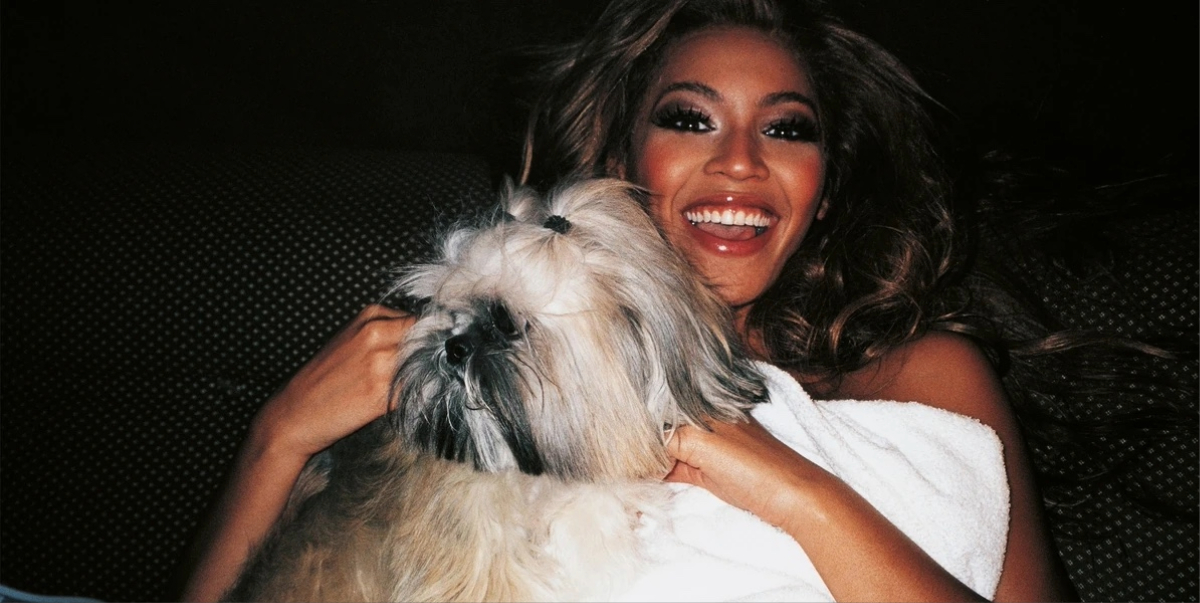
In the words of the Queen B herself, Ms. Beyoncé Knowles-Carter, “I don’t think you’re ready for this jelly”, but it’s coming in hot regardless.
Treat people like you treat your dog.
Yup. That’s the secret to building and empowering your team, which, of course, is comprised of empowered individuals.
Grab your Scooby Snacks and settle in while I illustrate my point.
When you walk in the door, and your dog runs to greet you, you don’t say: “Calm down; yes, I’m home, it’s not that big of a deal.”
You light up for them, and you match their energy.
You make them feel like coming home to them was indeed the best part of your day.
You recognize their win.
You show them they matter. That’s how your dog knows they’re seen.
Let’s use this insight as a new standard for your behavior.
How to show people they matter:
1. Be excited about their wins. Your dog doesn’t have to do something extraordinary to get your enthusiasm. Neither should your team. Be easy to impress. Amplify their wins and keep pushing them forward; don’t minimize them. Empowered people continue to bring their best. Deflated people show up, and eventually, they’ll stop meeting you at the door altogether.
2. Earnestly be curious about them. Unless you’ve trained your dog to speak, in which case, why aren’t you out patenting that technology, your dog can’t tell you what they need. They require you to pay attention to them. However, your people can tell you what they need. So ask them. And listen. “What am I missing?” is one of the most powerful questions a leader can ask. Curiosity builds trust. Trust builds teams.
3. Let them show up for you. Your dog lives to be useful. So do your people. When someone offers to help, let them. Say thank you. Don’t rob them of the chance to contribute. Contribution is the heartbeat of an empowered team.
You can’t mandate belonging. But you can model it with one interaction at a time.
Your dog never questions whether they matter to you.
Your team shouldn’t either.
Treat people like you treat your dog.
(And if you don’t have a dog, like me, treat your people like you treat your closest friend. Same steps apply!)
Which of these three (or all three) actions are you taking today?